Quick Answer: What Does Fall Symbolize?
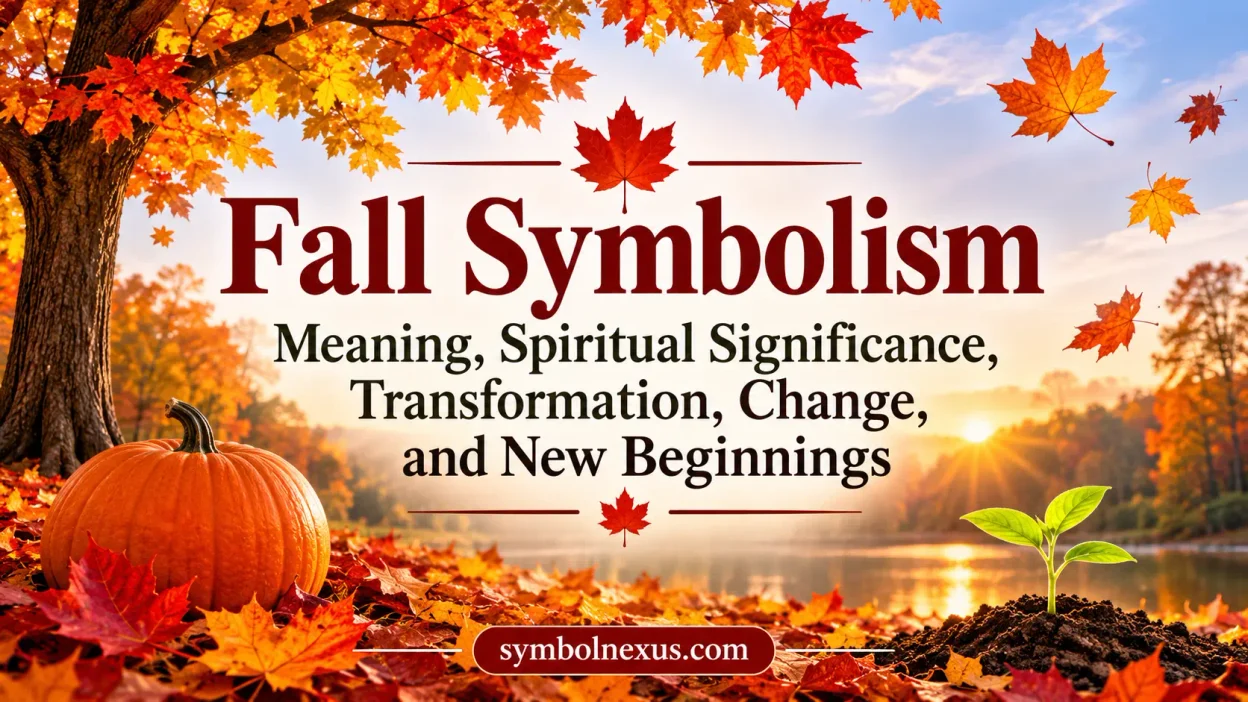
Fall, also known as autumn, symbolizes change, transformation, maturity, letting go, reflection, gratitude, and the cycle of life. As leaves change color and eventually fall from trees, the season represents the beauty of impermanence and the importance of releasing what is no longer needed. Spiritually, fall can symbolize personal growth, emotional renewal, preparation, and acceptance of life’s natural transitions.
TL;DR: Key Meanings of Fall Symbolism
- Transformation: Changing leaves represent personal development and life’s transitions.
- Letting go: Falling leaves symbolize releasing old habits, relationships, and burdens.
- Maturity: The harvest season represents experience, wisdom, and the results of hard work.
- Gratitude: Autumn encourages appreciation for life’s blessings and achievements.
- Impermanence: The changing landscape reminds us that everything has a season.
- Reflection: Shorter days and cooler weather encourage introspection and self-discovery.
- Preparation: Fall represents preparing for challenges and future opportunities.
- New beginnings: The end of one seasonal cycle creates the possibility of renewal.
1. The General Symbolism of Fall
Fall is one of the most symbolically meaningful seasons of the year. It marks the transition from summer’s warmth and abundance to winter’s cold and stillness.
During autumn, leaves change from green to shades of yellow, orange, red, and brown before falling from trees. Crops are harvested, temperatures become cooler, and nature begins preparing for winter.
These changes have made fall a powerful symbol of transformation, maturity, acceptance, and the passage of time.
In literature, art, spirituality, and everyday life, fall can represent:
- The end of one stage and the beginning of another.
- Releasing things that no longer serve a purpose.
- Appreciating the rewards of hard work.
- Accepting change instead of resisting it.
- Finding beauty in temporary experiences.
- Preparing for a quieter period of reflection.
Fall reminds us that change is not always a loss. Sometimes, letting go is necessary for future growth.
2. Fall Symbolism: Change and Transformation
One of the strongest meanings associated with fall is transformation.
During autumn, trees undergo a visible transformation as their leaves change color and eventually drop. This natural process provides a powerful metaphor for human experiences.
People also move through different stages of life. Relationships change, priorities develop, careers evolve, and personal beliefs become more mature.
Fall can symbolize:
- Personal transformation.
- Emotional development.
- Changing priorities.
- New perspectives.
- Accepting life’s transitions.
- Becoming a wiser version of yourself.
The season teaches that transformation does not always happen through dramatic events. Sometimes, meaningful change occurs gradually, just as the colors of autumn leaves develop over time.
3. Fall Symbolism and Letting Go
Falling leaves are among the most recognizable symbols of autumn. They represent the ability to release what is no longer necessary.
Trees shed their leaves as part of their natural seasonal cycle. Symbolically, this process can reflect the importance of letting go of emotional burdens, unhealthy habits, unrealistic expectations, and painful memories.
Fall may encourage you to release:
- Relationships that no longer support your well-being.
- Negative thoughts and limiting beliefs.
- Old disappointments.
- Unnecessary responsibilities.
- Fear of change.
- Expectations that prevent personal growth.
Letting go does not mean forgetting the past or dismissing meaningful experiences. It means recognizing when something has reached its natural conclusion.
Fall teaches that releasing the old can create space for something healthier.
4. The Spiritual Meaning of Fall
In modern spiritual interpretations, fall represents reflection, gratitude, transformation, balance, and acceptance.
Its connection to the natural cycle of life makes it a meaningful season for considering personal growth and spiritual development.
Some spiritual interpretations associate fall with:
Spiritual transformation: The changing landscape represents the process of becoming more aware of yourself and your life direction.
Release and renewal: Falling leaves symbolize letting go of negativity and making room for new experiences.
Gratitude: The harvest season encourages appreciation for blessings, achievements, and relationships.
Inner wisdom: The quieter atmosphere of autumn can represent reflection and deeper understanding.
Acceptance: Fall reminds us that every stage of life has its own purpose.
These interpretations vary among spiritual traditions and individuals. Fall does not have one universal religious or spiritual meaning.
5. Fall Symbolism and the Cycle of Life
Autumn represents an important stage in the natural cycle of life.
Spring is associated with birth and renewal, summer with growth and abundance, fall with maturity and harvest, and winter with rest and dormancy.
This seasonal pattern can be used as a metaphor for human life.
| Season | Symbolic Meaning | Life Connection |
|---|---|---|
| Spring | Birth and renewal | Childhood and new beginnings |
| Summer | Growth and energy | Youth, activity, and development |
| Fall | Maturity and reflection | Experience and achievement |
| Winter | Rest and stillness | Reflection, aging, and renewal |
Fall can therefore symbolize a period when people begin recognizing the results of their experiences.
It represents the understanding that every stage of life has value, even when it involves endings or difficult transitions.
6. Fall Symbolism and Harvest
Harvest is one of the oldest and most important associations of autumn.
In many agricultural societies, fall was a time to collect crops and prepare food supplies for the colder months. This made the season a symbol of abundance, gratitude, hard work, and reward.
The harvest season can represent:
- Reaping the benefits of effort.
- Recognizing personal achievements.
- Appreciating available resources.
- Sharing with family and community.
- Preparing for future challenges.
- Understanding the relationship between effort and results.
In personal life, harvest symbolism suggests that the decisions and actions of previous months or years eventually produce results.
Fall encourages us to recognize our accomplishments while remaining grateful for the people and circumstances that helped us succeed.
7. Fall Symbolism and Gratitude
Autumn is closely associated with gratitude, especially because of its connection to harvest festivals and family gatherings.
The season provides an opportunity to appreciate what has been achieved and what is already present in life.
Fall can symbolize gratitude for:
- Family and friendships.
- Personal achievements.
- Lessons learned through challenges.
- Health and well-being.
- Food, shelter, and security.
- Opportunities for growth.
Its deeper message is that happiness does not always require having more. Sometimes, it comes from recognizing the value of what we already have.
8. Fall Symbolism and Maturity
Fall represents maturity because it comes after the active growing seasons of spring and summer.
Trees that have spent months developing leaves, branches, and fruit begin preparing for winter. Their seasonal changes create a metaphor for the wisdom gained through experience.
In human life, fall may symbolize:
- Emotional maturity.
- Greater self-awareness.
- Wisdom gained through experience.
- Accepting personal limitations.
- Understanding priorities.
- Becoming comfortable with change.
The season reminds us that maturity is not simply about age. It also involves learning from experiences and developing a thoughtful approach to life.
9. The Symbolism of Fall Colors
Autumn is famous for its colorful leaves. Each color can carry different symbolic associations.
| Fall Color | Common Symbolic Meaning |
|---|---|
| Orange | Energy, warmth, enthusiasm, and creativity |
| Red | Passion, courage, intensity, and change |
| Yellow | Happiness, optimism, and awareness |
| Gold | Achievement, abundance, and wisdom |
| Brown | Stability, grounding, and connection to nature |
| Burgundy | Depth, maturity, and emotional intensity |
| Copper | Transformation, warmth, and resilience |
Orange Fall Leaves
Orange represents warmth, creativity, enthusiasm, and energy. It can symbolize enjoying life’s experiences and embracing change with optimism.
Red Fall Leaves
Red leaves often symbolize passion, courage, and transformation. Their dramatic appearance can represent powerful emotions and significant life transitions.
Yellow Fall Leaves
Yellow is associated with happiness, hope, awareness, and intellectual energy. In autumn, it can symbolize the beauty of change and the importance of maintaining optimism.
Golden Fall Leaves
Gold commonly represents prosperity, achievement, abundance, and maturity. Golden autumn landscapes can suggest the rewards of patience and hard work.
Brown Fall Leaves
Brown symbolizes stability, grounding, simplicity, and connection to the earth. It can represent acceptance and a return to life’s essential values.
10. Fall Symbolism in Love and Relationships
In relationships, fall can symbolize maturity, emotional honesty, change, and the importance of letting go.
The season’s natural transitions provide a metaphor for relationships that evolve over time.
Fall may represent:
Mature love: Relationships become stronger through understanding, patience, and shared experiences.
Emotional release: Letting go of resentment and unhealthy patterns can create healthier connections.
Commitment: The harvest season can represent the results of trust and effort invested in a relationship.
Acceptance: Not every relationship lasts forever, and some connections teach valuable lessons even when they end.
New beginnings: The end of one relationship chapter may create opportunities for personal growth or a healthier connection.
Fall reminds us that meaningful love requires both nurturing and the ability to accept change.
11. Fall Symbolism in Dreams
Dreaming about fall can have different personal meanings depending on the setting, activities, and emotions involved.
There is no scientifically established universal meaning for autumn dreams. However, the season can serve as a personal symbol of transformation, reflection, maturity, and endings.
Dreaming of Falling Autumn Leaves
Falling leaves may symbolize letting go, emotional release, or accepting an important change.
Dreaming of Beautiful Fall Colors
Colorful autumn scenery may represent appreciation, personal growth, happiness, or a meaningful period of transition.
Dreaming of Walking Through Fallen Leaves
Walking through autumn leaves may symbolize reflection on the past and the lessons gained from previous experiences.
Dreaming of an Autumn Harvest
A harvest dream may represent achievement, abundance, satisfaction, or receiving the results of your efforts.
Dreaming of a Cold or Dark Autumn
A dark autumn landscape may reflect uncertainty, emotional exhaustion, loneliness, or concerns about an approaching change.
Dreaming of Autumn Trees Without Leaves
Bare trees may symbolize endings, simplicity, rest, or the need to release something from your life.
The feelings experienced during the dream are important when exploring its personal meaning.
12. Fall Symbolism in Literature and Poetry
Fall is one of the most frequently used seasonal symbols in literature and poetry.
Writers often use autumn landscapes to communicate emotions and themes that are difficult to express directly.
Fall can symbolize:
- The passage of time: Changing leaves represent the movement of life and the inevitability of change.
- Aging: Autumn can reflect maturity and the later stages of life.
- Loss: Falling leaves may represent separation, death, or the end of a meaningful relationship.
- Beauty: Colorful landscapes symbolize the beauty of temporary experiences.
- Reflection: The quieter atmosphere of autumn can suggest introspection.
- Transformation: Seasonal change can represent a character’s personal development.
In poetry, fall can create both peaceful and melancholy moods. A beautiful autumn landscape may communicate gratitude and contentment, while bare trees and falling leaves may suggest sadness or nostalgia.
13. Fall Symbolism in Different Cultures and Traditions
Autumn has different meanings across cultures, depending on geography, agricultural traditions, religious practices, and seasonal celebrations.
Chinese Culture
In traditional Chinese symbolism, autumn is associated with the Metal phase of the Five Elements system. This phase is connected with qualities such as structure, clarity, and letting go.
Autumn is also linked with harvest, family gatherings, and the Mid-Autumn Festival, which celebrates the full moon and themes of reunion and togetherness.
Japanese Culture
Autumn has a special place in Japanese art, poetry, and seasonal traditions.
The changing colors of maple leaves, known as koyo, are widely appreciated. Autumn imagery is often associated with beauty, impermanence, reflection, and the passage of time.
The practice of viewing autumn leaves is known as momijigari.
Celtic Traditions
In modern discussions of Celtic seasonal traditions, autumn is often associated with harvest, transition, remembrance, and preparation for winter.
Samhain, traditionally observed around the end of October and beginning of November, marks an important seasonal festival in the Gaelic calendar. It is associated with the transition into winter and remembrance of the dead.
Western Traditions
In many Western countries, fall is associated with harvest celebrations, Halloween, Thanksgiving in the United States and Canada, and the beginning of colder weather.
These traditions connect autumn with family, gratitude, community, remembrance, and seasonal change.
14. Fall Symbolism and Death
Fall is sometimes associated with death because trees lose their leaves and nature appears to become quieter.
However, this symbolism is not necessarily negative. Autumn can represent the natural ending of one stage before another begins.
Its connection with death may symbolize:
- The end of an important life chapter.
- Acceptance of mortality.
- Releasing the past.
- The temporary nature of existence.
- Transformation through loss.
- The possibility of renewal.
The falling leaves can be understood as a reminder that endings are part of life rather than something entirely separate from growth.
In this way, fall represents both loss and the potential for future renewal.
15. Fall Symbolism and Preparation
Autumn is a season of preparation. As temperatures decrease, many plants and animals adjust their behavior in response to changing environmental conditions.
This makes fall a symbol of planning, responsibility, and readiness.
In everyday life, fall may represent:
- Preparing for future challenges.
- Organizing personal priorities.
- Saving resources.
- Developing practical habits.
- Completing unfinished responsibilities.
- Building a foundation for future success.
Its symbolic message is that preparation can make difficult transitions easier.
Rather than fearing the next stage of life, fall encourages us to approach it with awareness and thoughtful planning.
16. Fall Symbolism in Art and Photography
Autumn’s distinctive colors, changing leaves, misty mornings, and softer light make it a popular subject in visual art and photography.
Artists often use fall imagery to express emotions and ideas.
Golden leaves: Abundance, maturity, and the beauty of achievement.
Falling leaves: Change, impermanence, and emotional release.
Bare branches: Simplicity, solitude, and reflection.
Autumn sunsets: Endings, nostalgia, and peaceful acceptance.
Harvest fields: Gratitude, productivity, and connection with nature.
Fall photography can also create a sense of nostalgia because its landscapes often remind viewers of childhood memories, family traditions, and earlier stages of life.
17. Fall Symbolism: Positive and Negative Meanings
Fall carries both positive and challenging symbolic meanings.
| Positive Symbolism | Challenging Symbolism |
|---|---|
| Transformation | Uncertainty |
| Harvest and abundance | Loss and endings |
| Gratitude | Nostalgia |
| Maturity and wisdom | Aging |
| Beauty and creativity | Impermanence |
| Reflection | Loneliness |
| Acceptance | Fear of change |
| Preparation | Anxiety about the future |
These contrasting meanings show why autumn can create both happiness and sadness.
For some people, fall represents cozy gatherings, beautiful scenery, and gratitude. For others, it may bring memories of loss, loneliness, or difficult transitions.
Both interpretations are valid, depending on personal experiences.
18. What Does Fall Teach Us About Life?
Fall offers several meaningful lessons about the human experience.
Change is natural: Life constantly moves through different stages, and change is an unavoidable part of growth.
Letting go creates space: Releasing old habits and expectations can make room for healthier opportunities.
Growth takes time: The harvest represents the results of patience and consistent effort.
Beauty can be temporary: Meaningful experiences do not need to last forever to have value.
Rest is important: Periods of quiet and reflection can prepare us for future challenges.
Gratitude creates perspective: Appreciating what we have helps us recognize the value of everyday experiences.
Ultimately, fall reminds us that every season has a purpose, including the seasons that involve endings.
Frequently Asked Questions About Fall Symbolism
1. What does fall symbolize spiritually?
Spiritually, fall often symbolizes transformation, gratitude, reflection, acceptance, and letting go. It can represent releasing old patterns and preparing for a new stage of personal growth.
2. What do falling leaves symbolize?
Falling leaves commonly symbolize endings, change, impermanence, and emotional release. They remind us that letting go is a natural part of life.
3. Does fall symbolize new beginnings?
Yes. Although fall is often associated with endings, it also represents preparation and renewal. Releasing what is no longer needed can create opportunities for future growth.
4. What does fall symbolize in love?
In relationships, fall can symbolize mature love, emotional honesty, acceptance, commitment, and the ability to move forward when circumstances change.
5. What does autumn symbolize in literature?
In literature, autumn often represents aging, the passage of time, maturity, loss, beauty, reflection, and transformation. Writers use its changing landscapes to express complex emotions.
6. What does fall symbolize in dreams?
Fall dreams may represent personal transitions, emotional reflection, letting go, or the results of previous efforts. Their meaning depends on the dreamer’s circumstances and feelings.
7. Why is fall associated with death?
Fall is associated with death because many trees lose their leaves and nature prepares for winter. Symbolically, this represents endings, mortality, and the natural cycle of life.
8. What do orange and red fall leaves symbolize?
Orange leaves commonly represent warmth, creativity, and enthusiasm, while red leaves may symbolize passion, courage, and transformation.
9. What does fall symbolize in different cultures?
Fall can represent harvest and gratitude in Western traditions, seasonal beauty and impermanence in Japanese culture, and reunion and seasonal change in Chinese traditions.
10. What is the main message of fall symbolism?
The main message of fall symbolism is to accept change, appreciate the present, release what no longer serves you, and recognize that endings can prepare the way for new beginnings.
Conclusion: The Deeper Meaning of Fall Symbolism
Fall symbolism represents transformation, maturity, gratitude, letting go, and the natural cycle of life. Its colorful leaves and harvest traditions remind us that every stage of life has its own beauty and purpose.
Spiritually and emotionally, autumn encourages reflection, acceptance, and personal growth. It teaches us that endings are not always failures and that releasing the past can make room for new possibilities.
Ultimately, fall reminds us to appreciate what we have, learn from what we have experienced, and welcome life’s changes with patience and gratitude.